

(FWA 2025/12/9)Taiwan plans to expand recruitment of foreign technical personnel next year. The Ministry of Labor announced a draft of new regulations for foreign technical manpower on December 4, adding a mechanism for direct overseas introduction. At this stage, technical jobs in the hospitality and commercial port sectors are being opened.
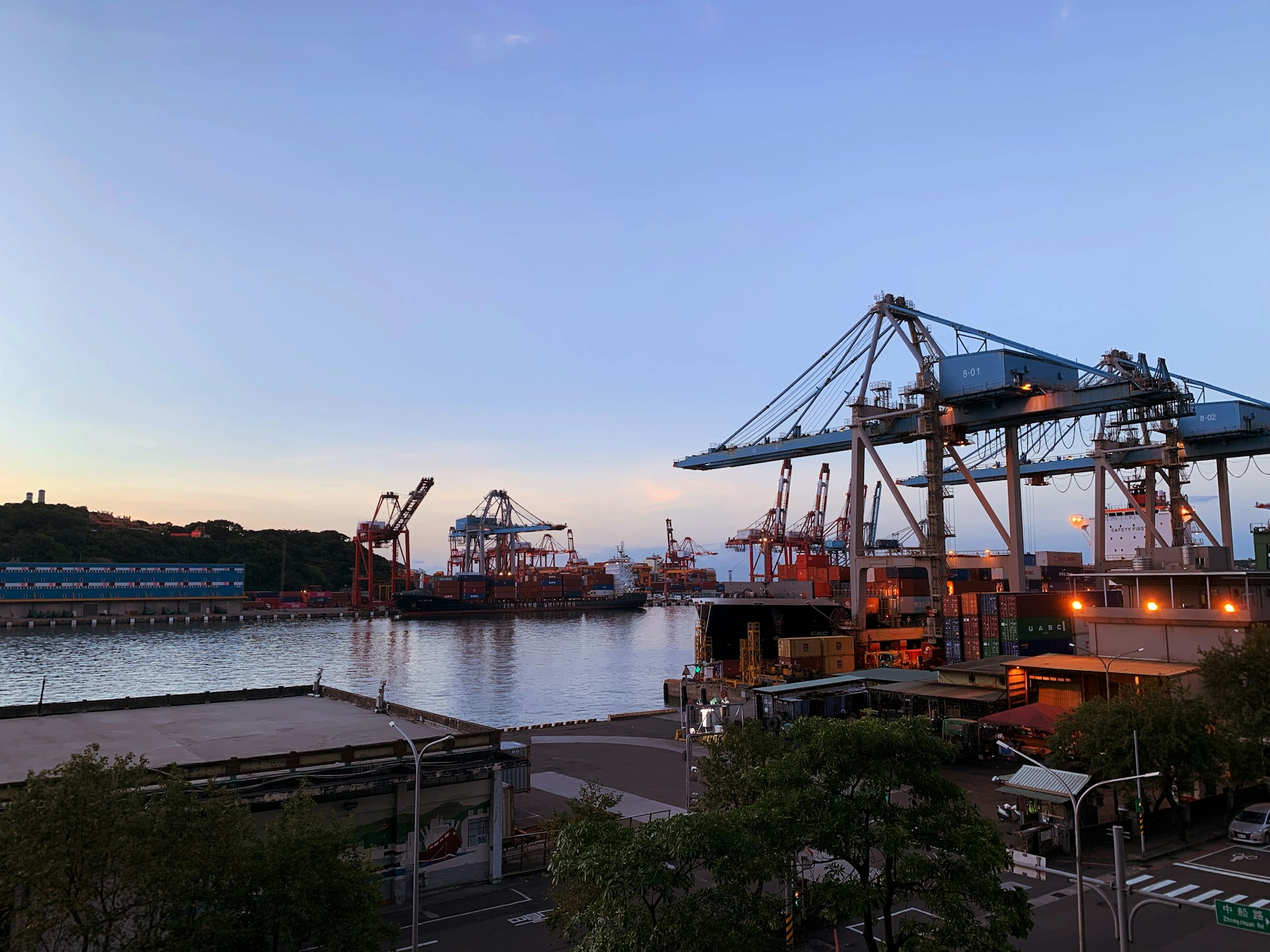
The scope of work for cargo handling and distribution at commercial ports includes working within commercial ports or container terminals, engaging in cargo (container) conveying equipment control, assembly and disassembly of carrier facilities, ground operation command and dispatch, human-machine traffic control, crane operation, and mechanical maintenance.
Regarding the educational qualifications for foreign technical personnel, in addition to overseas Chinese and foreign students who have graduated in Taiwan, those who have obtained an Associate Degree or higher from a foreign university or college, or who have graduated from a senior high school and are certified to have more than two years of relevant work experience, also meet the educational qualifications.
The Ministry of Labor will establish recruitment centers overseas in the future to build a talent pool and assist Taiwanese companies in recruiting foreign technical personnel, with the Philippines being the first country where a center will be set up.
This regulatory announcement does not yet include content regarding language and skill requirements or salary thresholds. However, it is rumored that the salary threshold for port technical workers may fall around NT$39,000. Nevertheless, the exact regulations and the implementation time of the new system still await the final regulatory announcement by the Ministry of Labor.
According to a previous labor shortage report, the average salary in Taiwan’s cargo handling industry and container terminals falls around NT$50,000. However, most port workers need to obtain technical licenses, averaging at least 1 or 2. Workers with electromechanical operation and maintenance capabilities earn salaries higher than the average, while entry-level workers who do not yet possess technical skills (such as signalers, manual laborers, and warehouse personnel) have salaries falling around NT$40,000. Currently, only a small number of listed companies in the industry hire foreign professionals(requiring higher skills and salaries, different from the technical jobs about to be opened) to handle electromechanical maintenance.
According to the report, the estimated labor shortage in 2024 is about 865 people, with the vessel cargo handling industry accounting for about 66% and the container terminal operating industry for 34%.
The vessel cargo handling industry is most in need of vehicle/machinery operators, ground staff, truck drivers, and vehicle/machinery mechanics; meanwhile, container terminals are similarly most in need of vehicle/machinery operators, vehicle/machinery mechanics, stowage planners, and consolidation/stripping warehouse personnel.
In these two industries, over 90% of the recruitment for vehicle/machinery operators requires technical technician licenses, with the main licenses including fixed or mobile cranes and forklifts.
In-depth interviews also revealed that many operators have a demand for container tractor drivers and freight drivers, or cannot fill positions for the most basic labor (ground staff, manual operations). Although recruitment was previously opened to overseas Chinese and foreign students graduating in Taiwan, foreign students coming to Taiwan mostly want to enter higher-paying fields (such as the technology industry) or office jobs, whereas port work consists mainly of outdoor (50-70%) and heavy physical work, so the results have been poor.
The container handling industry specializes in the import, export, and transshipment of standardized containers. Operations are highly mechanized, divided by area into “front-line terminals” using quay cranes (bridge cranes) to load and unload ships, and “back-line yards” using gantry cranes for stacking management. The core process covers full container load (FCL) and consolidation/stripping operations, and requires precise management of various container zones such as refrigerated and dangerous goods.
The bulk and break-bulk terminal handling industry targets non-standardized cargo such as bulk raw materials, oil products, large machinery, or vehicles. This operation mode is flexible and relies highly on human collaboration. A standard team consists of about 6 people, including a crane operator, a deck signalman, and stevedores responsible for slinging and securing. Operations are divided based on demand into “shipside delivery” (loading directly onto trucks) or “yard delivery” (stacking on open ground first), with the focus on operational technique and personnel chemistry to ensure the safety of handling special cargo.
Container terminals/depots are logistics relay stations at ports or inland, mainly providing three major services: “loading/unloading, storage, and maintenance.” In addition to handling the storage and access of Full Container Loads (CY) for single cargo owners, their key function lies in assisting with the consolidation or stripping (CFS) of loose cargo, and they possess bonded warehousing and processing functions. In addition, the terminals are equipped with professional production lines responsible for maintenance work such as container washing, rust removal, painting, and inspection.
Plano ng Taiwan na Palawakin ang Recruitment ng mga Dayuhang Teknikal na Tauhan sa Susunod na Taon; Mga Trabahong Teknikal sa Pantalan ang Bubuksan
(FWA 2025/12/9)Plano ng Taiwan na palawakin ang recruitment ng mga dayuhang teknikal na tauhan sa susunod na taon. Inanunsyo ng Ministry of Labor ang draft ng mga bagong regulasyon para sa foreign technical manpower noong Disyembre 4, na nagdaragdag ng mekanismo para sa direktang pagkuha mula sa ibang bansa (direct overseas introduction). Sa yugtong ito, ang mga teknikal na trabaho sa sektor ng hospitality at commercial port ay binubuksan.
Ang saklaw ng trabaho para sa cargo handling at pamamahagi sa mga komersyal na pantalan ay kinabibilangan ng pagtatrabaho sa loob ng mga pantalan o container terminal, pagsasagawa ng kontrol sa kagamitan sa paghahatid ng kargo (container), pag-assemble at pag-disassemble ng mga pasilidad ng sasakyan, pag-uutos at pag-dispatch ng operasyon sa lupa, pagkontrol sa daloy ng tao at makina, pagpapatakbo ng crane, at pag-aayos ng makinarya.
Tungkol sa mga kwalipikasyon sa edukasyon para sa mga dayuhang teknikal na tauhan, bukod sa mga overseas Chinese at dayuhang estudyante na nagtapos sa Taiwan, ang mga nakakuha ng Associate Degree o mas mataas mula sa isang dayuhang unibersidad o kolehiyo, o nakapagtapos ng senior high school at sertipikadong may higit sa dalawang taong nauugnay na karanasan sa trabaho, ay kwalipikado rin sa edukasyon.
Magtatatag ang Ministry of Labor ng mga recruitment center sa ibang bansa sa hinaharap upang bumuo ng talent pool at tulungan ang mga kumpanya sa Taiwan sa pag-recruit ng mga dayuhang teknikal na tauhan, at ang Pilipinas ang magiging unang bansa kung saan itatayo ang sentro.
Ang anunsyong ito ng regulasyon ay hindi pa kasama ang nilalaman tungkol sa mga kinakailangan sa wika at kasanayan o mga threshold ng sahod. Gayunpaman, usap-usapan na ang threshold ng sahod para sa mga manggagawang teknikal sa pantalan ay maaaring nasa NT$39,000. Gayunpaman, ang eksaktong mga regulasyon at ang oras ng pagpapatupad ng bagong sistema ay naghihintay pa rin ng pinal na anunsyo ng regulasyon ng Ministry of Labor.
Ayon sa isang nakaraang ulat ng kakulangan sa paggawa, ang average na sahod sa industriya ng cargo handling at container terminals sa Taiwan ay nasa NT$50,000. Gayunpaman, karamihan sa mga manggagawa sa pantalan ay kailangang kumuha ng mga teknikal na lisensya, na may average na hindi bababa sa 1 o 2. Ang mga manggagawang may kakayahan sa electromechanical operation at maintenance ay kumikita ng mas mataas kaysa sa average, habang ang mga entry-level na manggagawa na wala pang teknikal na kasanayan (tulad ng mga signalman, manual laborers, at warehouse personnel) ay may sahod na nasa NT$40,000. Sa kasalukuyan, kakaunting bilang lamang ng mga nakalistang kumpanya sa industriya ang kumukuha ng mga dayuhang propesyonal (na nangangailangan ng mas mataas na kasanayan at sahod, na iba sa mga teknikal na trabahong bubuksan) upang hawakan ang electromechanical maintenance.
Ayon sa ulat, ang tinatayang kakulangan sa paggawa sa 2024 ay mga 865 katao, kung saan ang industriya ng vessel cargo handling ay bumubuo ng halos 66% at ang container terminal operating industry ay 34%.
Ang industriya ng vessel cargo handling ay pinaka-nangangailangan ng mga vehicle/machinery operators, ground staff, truck drivers, at vehicle/machinery mechanics; samantala, ang mga container terminal ay parehong nangangailangan ng mga vehicle/machinery operators, vehicle/machinery mechanics, stowage planners, and consolidation/stripping warehouse personnel.
Sa dalawang industriyang ito, higit sa 90% ng recruitment para sa mga vehicle/machinery operators ay nangangailangan ng mga lisensya ng technical technician, kung saan ang mga pangunahing lisensya ay kinabibilangan ng fixed o mobile cranes at forklifts.
Sa malalimang mga panayam, lumabas din na maraming operator ang may pangangailangan para sa mga container tractor driver at freight driver, o hindi mapunan ang mga posisyon para sa pinakapangunahing paggawa (ground staff, manual operations). Bagama’t ang recruitment ay dati nang binuksan sa mga overseas Chinese at dayuhang estudyante na nagtapos sa Taiwan, ang mga dayuhang estudyante na pumupunta sa Taiwan ay kadalasang gustong pumasok sa mga larangang may mas mataas na sahod (tulad ng industriya ng teknolohiya) o mga trabaho sa opisina, samantalang ang trabaho sa pantalan ay pangunahing binubuo ng panlabas (50-70%) at mabigat na pisikal na trabaho, kaya hindi naging maganda ang resulta.
Ang industriya ng container handling ay dalubhasa sa pag-import, pag-export, at transshipment ng mga standardized na container. Ang mga operasyon ay highly mechanized, nahahati ayon sa lugar sa “front-line terminals” na gumagamit ng quay cranes (bridge cranes) upang magkarga at magbaba ng mga barko, at “back-line yards” na gumagamit ng gantry cranes para sa pamamahala ng pagsasalansan. Ang pangunahing proseso ay sumasaklaw sa full container load (FCL) at consolidation/stripping operations, at nangangailangan ng tumpak na pamamahala ng iba’t ibang container zone tulad ng refrigerated at dangerous goods.
Ang industriya ng bulk at break-bulk terminal handling ay nakatuon sa mga hindi standardized na kargo tulad ng bulk raw materials, mga produktong langis, malalaking makinarya, o mga sasakyan. Ang mode ng operasyon na ito ay flexible at lubos na umaasa sa kolaborasyon ng tao. Ang isang karaniwang koponan ay binubuo ng humigit-kumulang 6 na tao, kabilang ang isang crane operator, isang deck signalman, at mga stevedore na responsable sa pagtatali at pag-secure. Ang mga operasyon ay nahahati batay sa pangangailangan sa “shipside delivery” (direktang pagkarga sa mga trak) o “yard delivery” (pagsasalansan muna sa open ground), na may pagtuon sa teknikal na operasyon at chemistry ng mga tauhan upang matiyak ang kaligtasan ng paghawak ng mga espesyal na kargo.
Ang mga container terminals/depots ay mga logistics relay station sa mga pantalan o inland, na pangunahing nagbibigay ng tatlong pangunahing serbisyo: “loading/unloading, storage, at maintenance.” Bukod sa paghawak ng storage at access ng Full Container Loads (CY) para sa iisang may-ari ng kargo, ang kanilang pangunahing tungkulin ay nakasalalay sa pagtulong sa consolidation o stripping (CFS) ng loose cargo, at nagtataglay sila ng bonded warehousing at mga function ng pagpoproseso. Dagdag pa rito, ang mga terminal ay nilagyan ng mga propesyonal na linya ng produksyon na responsable para sa gawaing pagpapanatili tulad ng paghuhugas ng container, pagtanggal ng kalawang, pagpipintura, at inspeksyon.