

(FWA 2026/1/22)Does just lending your account to someone or helping withdraw cash count as fraud? Watch out—you may have already fallen into a trap set by a fraud syndicate!
To combat fraud, the Taiwan government has recently amended laws to impose heavier penalties on cases involving the utilization of foreigners and high-value fraud. Furthermore, the threshold for sentence reduction has been significantly raised: defendants must reach a settlement with victims and pay full compensation to be eligible for a reduced sentence.
To prevent foreigners and expats from inadvertently breaking the law due to unfamiliarity—and potentially destroying their future in Taiwan—FWA has compiled this Anti-Fraud Guide for Foreigners and Expats in Taiwan based on materials from the National Police Agency (NPA). Read on to avoid unintentionally breaking the law and losing the future you have worked so hard to build.
What Is a Dummy Account?
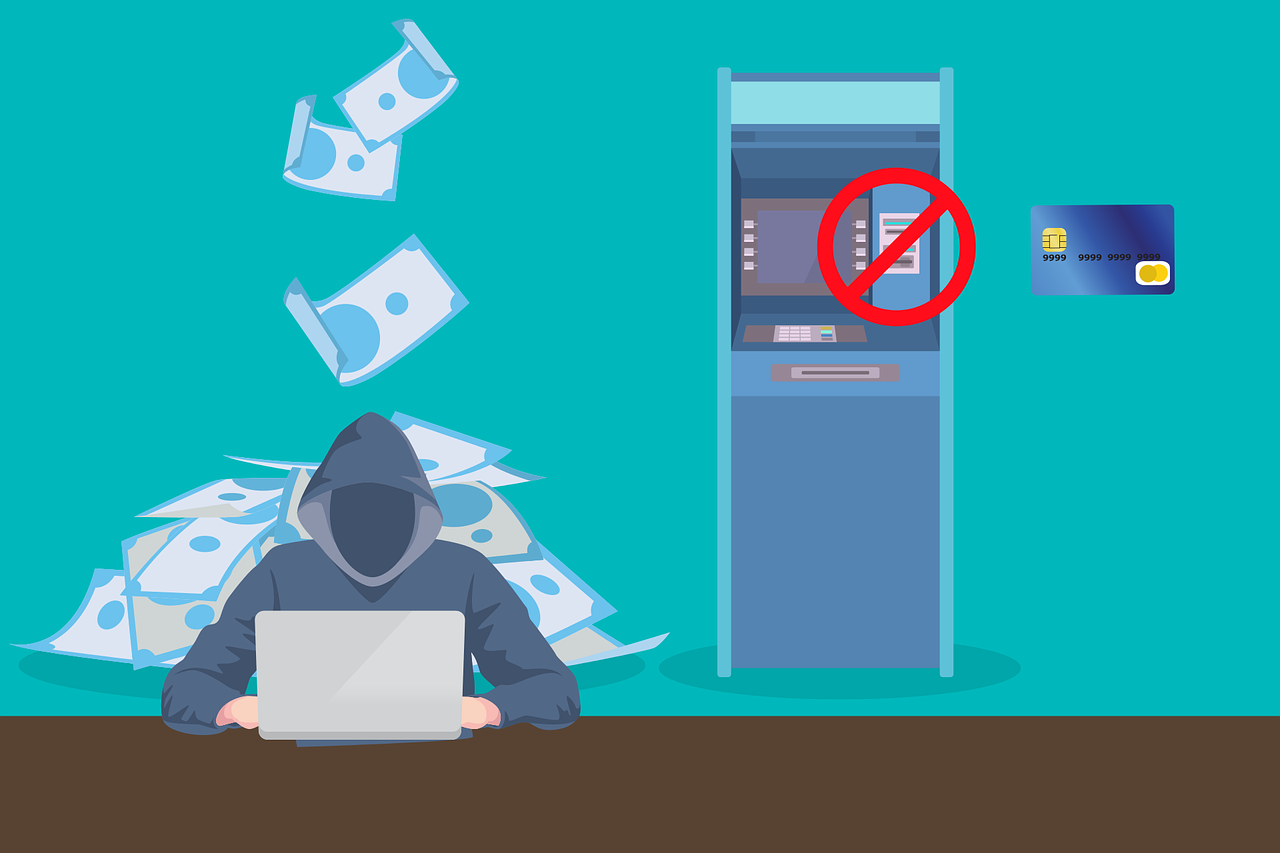
A dummy account is a bank account opened in your name, but you don’t use it—instead, you hand it over (or even sell it) to someone else, giving them full control, including your ATM card and PIN.
More often than not, these accounts are used by fraud syndicates to move money in and out, helping them avoid detection by banks and authorities. Since the account is still under your name, when the money trail is traced, law enforcement will come after you.
Selling Your Account? Think It No Big Deal? Think Again!
Selling your bank account, ATM card, and PIN to someone else may seem like an easy way to make fast cash—but the NPA warns it comes with serious risks.
When you open an account for someone else or sell your own one, you’re creating a dummy account. Fraud syndicates will use it to trick victims into transferring money, and then they’ll use your card and PIN to withdraw the “profits.”
By selling your account, you’re not just breaking the law—you’re becoming an accomplice to fraud. And that makes you a criminal.
Think twice before you get involved. Quick money isn’t worth the cost to your future.
Selling Accounts Can Lead to Dire Consequences!
Criminal Charges: Become an Accomplice to Fraud Selling your bank account, ATM card, or PIN makes you an accomplice to fraud. You’ll be arrested and face 1 to 10 years in a Taiwanese prison. After serving your sentence, you’ll be deported and unable to work in Taiwan. How will you support your family back home?
Frozen Accounts & Financial Hardship All your bank accounts will be frozen, making it hard to access your funds. Even if you can withdraw money, strict limits will be placed on how much you can take out per transaction and per day.
A Criminal Record: No Future in Taiwan You’ll have a permanent criminal record, which will prevent you from ever entering Taiwan again.
Escaping to Another Country Won’t Save You You’ll still be wanted by the Taiwanese police, even if you manage to escape and leave Taiwan.
Think carefully before making a decision that could ruin your future. Quick cash isn’t worth losing everything.
Real Cases: Selling Your Account Will Ruin Your Life!
Case 1: Migrant worker A and foreign student B were caught by the police after selling their accounts for quick money. They were sentenced to 2 years in prison and thus unable to work in Taiwan or return home during that time.
Case 2: Before leaving Taiwan, a migrant worker sold his account, thinking there would be no consequences. However, when he tried to enter Taiwan again, he was arrested at the airport because he was on the wanted list.
How to Avoid Becoming a Victim?
To avoid falling into these traps, the NPA advises the following:
Never lend or sell your bank account, ATM card, or PIN, nor open an account in your name for someone else. Anyone asking to use your account or ATM card is likely a scammer.
Refuse any request to open an account or transfer money for someone else. No matter what they promise, don’t let greed make you a victim of fraud!
If you notice any unusual transactions in your account, contact your bank and the police immediately!
Protect yourself and your family. Say NO to selling your account!
Protect Yourself! Don’t Become an Accomplice to Fraud!
Selling your account harms both others and yourself—it can ruin your entire life!
Once your account is flagged as a dummy account, banks will blacklist you. You won’t be able to withdraw money, get loans, or obtain credit cards.
Fraud syndicates profit while you end up in prison. Is it really worth it?
Selling your account means helping fraudsters launder money, leading to arrest and imprisonment!
While fraudsters make millions, you might earn just a few thousand dollars—and pay the ultimate price.
What Is a Money Mule?
A money mule is someone who helps fraudsters by withdrawing money using another person’s ATM card and PIN or by collecting and passing on cash from victims to the criminals.
Even if you hand over all the money to fraudsters, you have committed fraud and money laundering. The police will track you down and you could face serious legal consequences.
Fraud syndicates recruit money mules to collect cash because they believe mules are more likely to get caught. As a result, if you become a mule, you risk being arrested and may even be required to repay the victims while the fraudsters pocket the scammed money.
Is Being a Money Mule Harmless?
Be Careful! You Could Lose Everything!
The NPA emphasizes that being a money mule is not a trivial matter:
It is a serious crime that can lead to 1 to 7 years in prison, along with an order to repay a substantial amount of money to the victims.
If you are convicted of fraud, the court may seize and sell your assets to compensate the victims.
Even if you’ve already spent the money on a house, a car, or resold them to someone else, the Taiwan government can still reclaim them. You won’t be able to escape the consequences!
Real Cases: Money Mules Could Lose Everything!
Case 1: Think before you act – Easy money can cost you everything
A foreign student wanted to make quick money, so she accepted a “job” withdrawing cash from ATMs and handing it over to someone else. She had no idea that the people giving her instructions were part of a fraud syndicate.
Unfortunately, she was caught by the police. As a result, she was expelled from school, prosecuted, and ordered to repay the victims. In the end, what seemed like easy money turned into a life-changing mistake for her.
Think before you act—getting involved in fraud, even unknowingly, can ruin your future!
Case 2: Quick money isn’t worth ruining your future.
A migrant worker, hoping for a better life and quick cash, got involved with a fraud syndicate. He was asked to collect money from victims who’d been tricked by scammers. Sadly, he was caught, arrested, and thrown in jail. Now, he’s stuck in Taiwan with no way to go home.
The worst part of this? His family back home is now struggling financially because he can’t send money to support them anymore.
Stay smart and don’t get tricked or lured by fraud syndicates!
Case 3: Don’t Fall for Job Scams Abroad – Know the Risks Before It’s Too Late!
Scammers are using social media to lure foreign job seekers with promises of high pay, easy work, and free airfare for short-term jobs in Taiwan. However, many of these offers are just traps set by fraud syndicates.
Once you arrive in Taiwan, they’ll take your phone and passport, and force you to collect money for the scammers. To get your passport back, you’ll have to bring in enough cash for the syndicate.
If you get caught by the police, you’ll lose everything—no way home, no earnings, and you could even face legal trouble and be forced to repay victims.
The NPA advises: Think twice before accepting overseas job offers that sound too good to be true.