
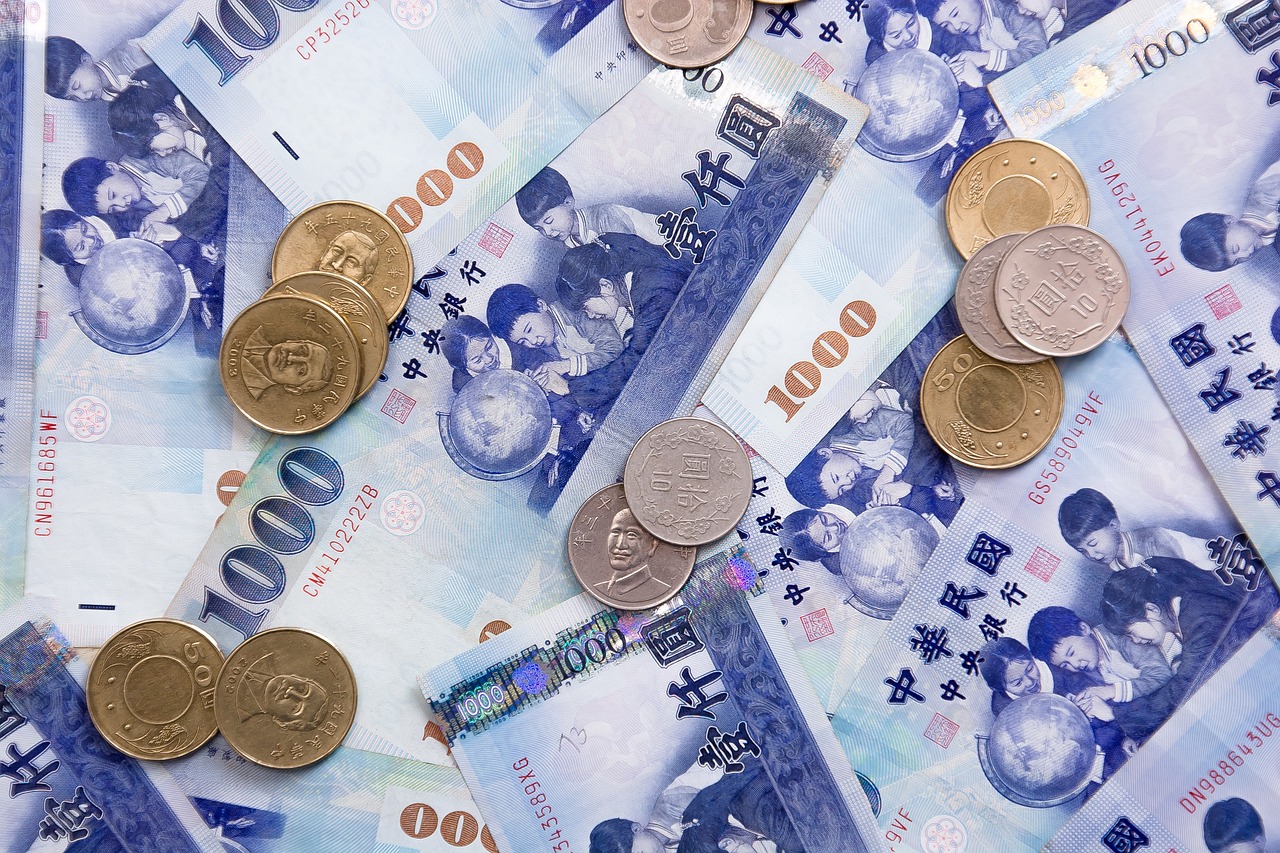

(FWA 2026/9/30)Driven by a historic AI-fueled economic boom and surging tax revenues, a fierce debate has erupted in Taiwan over a new universal cash handout, centering on how much to give and when to distribute it. While President Lai Ching-te announced on August 17, 2026, that the government plans to issue NT$10,000 per person next year, the opposition Kuomintang (KMT) countered on September 29, 2026, calling for an immediate NT$20,000 payout this year to quickly boost domestic demand.
The ruling administration’s proposal reflects Taiwan’s strongest economic performance in half a century. With 2026 GDP growth projected at a 39-year high of 11.05%, the Executive Yuan revised next year’s revenue budget upward to NT$3.92 trillion. By adding NT$235.7 billion to next year’s spending plan, the government intends to distribute NT$10,000 per person next year while maintaining a balanced budget with zero real debt, allowing all citizens to share in the nation’s “AI dividends.”
However, KMT caucus whip Fu Kun-chi insisted that national tax surpluses—expected to surpass NT$1 trillion this year—should be returned to the public without delay. Listing an immediate NT$20,000 cash payout as a priority bill for the current legislative session, Fu argued that the funds must be distributed this year. He emphasized that while high-tech exports are thriving, traditional industries, small businesses, and grassroots families are suffering from inflation and have not felt the benefits of the AI boom, making an immediate economic boost this year vital.
If the upcoming distribution adopts previous policy frameworks, eligible non-citizen residents—such as foreign nationals holding permanent residency permits, stateless residents, and foreign spouses of Taiwanese citizens—are expected to qualify. Claim options are likely to include direct bank deposits, ATM cash withdrawals, and post office pickups, with official timelines commencing within a month of special budget approval.