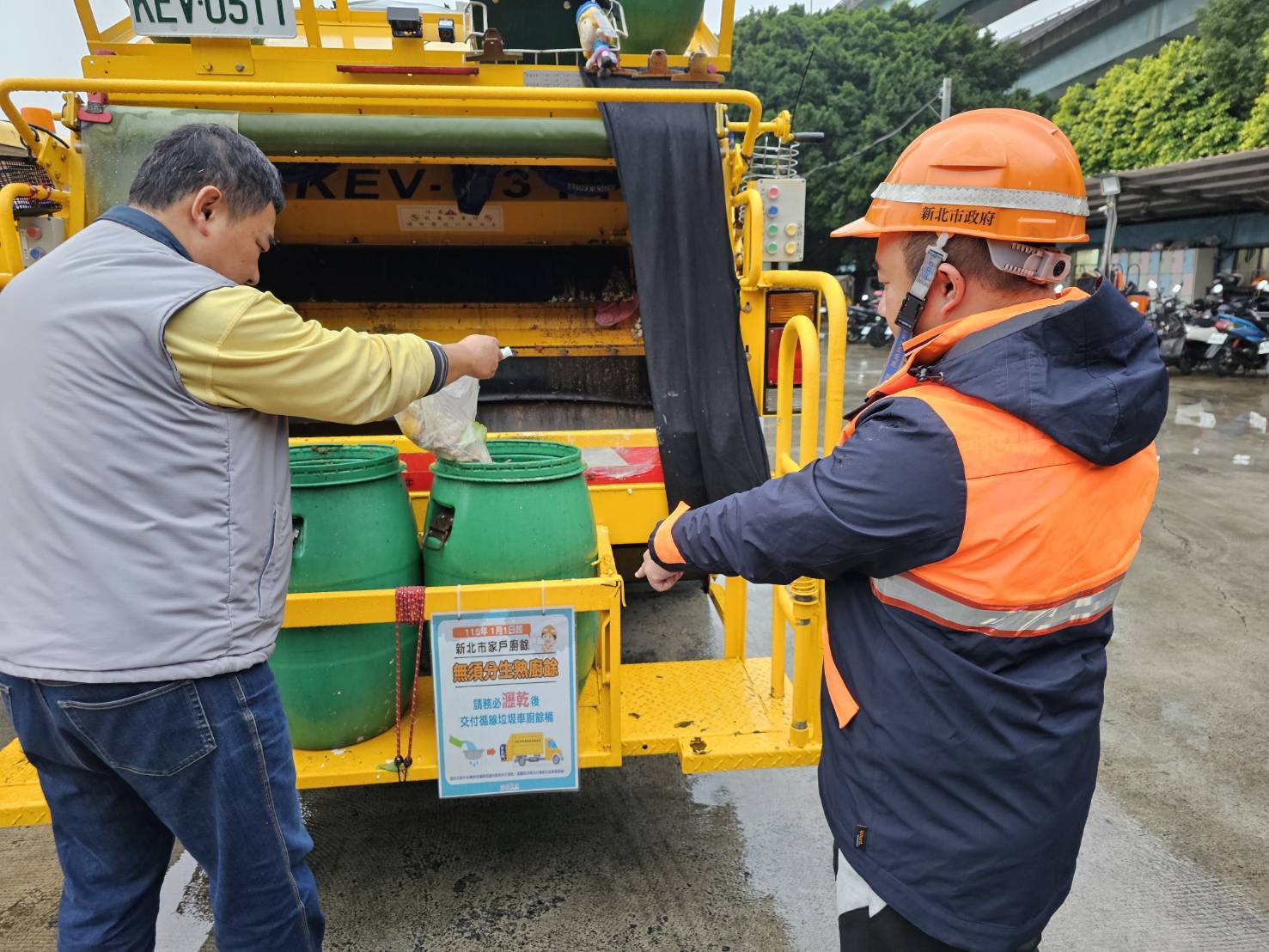

(FWA 2026/3/30)Taiwan experienced its first African Swine Fever (ASF) case in 2025, resulting in an estimated economic loss of over NT$200 billion. To completely prevent the ASF epidemic, the government has strictly tightened relevant control measures. This not only includes heavy fines for mailing pork parcels to Taiwan but also a total ban on using general household food waste for pig farming. At the same time, marine pollution prevention regulations are becoming stricter. Furthermore, in response to the phasing out of food waste for pig farming, many local counties and cities have adjusted their household Taiwan food waste classification rules. Expats and residents must pay special attention to classification details when disposing of trash and food waste to avoid accidental fines!
Preventing African Swine Fever: Stricter Rules for Mailed Meat Products and Border Control
Mailing pork products to Taiwan from countries affected by African Swine Fever can result in a maximum fine of NT$1 million. In the past, due to conditional clauses in the regulations, no fines were issued if the recipient was not the importer or if it was an unintentional first offense, leading to only 9 fines out of a thousand suspected cases. To strengthen prevention, the Ministry of Agriculture has amended the regulations to enforce stricter penalties:
Heavy Fines Regardless of Intent or Negligence: Starting November 6, 2025, anyone who illegally imports postal parcels containing pork, regardless of whether it is intentional or due to negligence, will be fined NT$200,000 for the first offense, with the penalty increased to NT$1 million for the second offense.
Recipient is Deemed the Importer: If the recipient knows about the parcel being mailed from abroad before it arrives in Taiwan, they will be considered the importer and penalized accordingly.
Enhanced Inspections and Joint Audits: Mandatory comprehensive inspections are implemented in airport hand-carry luggage inspection areas. During Lunar New Year and major holidays, supermarkets, meat processing plants, and high-risk food businesses will also be targeted for joint audits.
2026 Final Transition Period: Total Ban on Using Household Food Waste for Pig Farming
In coordination with epidemic prevention efforts, the Executive Yuan announced a complete ban on using food waste for pig farming, with 2026 serving as the transitional period. The use of general household food waste for pig farming is strictly prohibited:
Total Ban on Household Food Waste for Pig Farming: During the transition period, feeding pigs with “household food waste” is absolutely prohibited. Food waste collected by local sanitation crews cannot be sold to pig farmers under any circumstances.
Illegal Dumping and Improper Classification Will Result in Fines
It is also important to note that Taiwan has implemented mandatory trash classification for many years. People must separate their waste into “General Trash,” “Recyclables,” and “Food Waste.” The Taiwanese government has clear penalties for “illegal dumping” and “improper classification”:
1. Illegal Dumping (Littering Trash and Food Waste)
Illegal Land Dumping: Dumping trash or food waste for convenience violates the Waste Disposal Act. Once caught, offenders will face fines ranging from NT$1,200 to NT$6,000 and will be required to clean it up within a specified time limit. Failure to complete the cleanup by the deadline will result in continuous daily fines.
Severe Penalties for Illegal Marine Dumping: Dumping food waste and other pollutants into the sea, ports, or rivers causes water eutrophication and foul odors. Under the Marine Pollution Control Act, illegal dumping is punishable by a fine of NT$100,000 to NT$10 million; vessels discharging waste can also be fined NT$30,000 to NT$30 million.
2. Improper Classification (Mixing Trash with Food Waste)
Environmental Protection Bureaus in various counties and cities conduct random “bag-breaking” inspections. If trash is not classified according to regulations, fines of NT$1,200 to NT$6,000 will be issued under the Waste Disposal Act. Common violations include:
Mixing food waste into general trash bags for disposal.
Throwing non-food waste items (e.g., plastic bags, disposable tableware, toilet paper, bamboo chopsticks, toothpicks) into food waste recycling bins.
Detailed Guide to Food Waste Classification Across Taiwan’s Counties and Cities
Before handing food waste over to the sanitation crew, the common principles are: Be sure to drain all water, remove external packaging (plastic bags, plastic strings, etc.), and pick out all non-decomposable debris and tableware (chopsticks, spoons, toothpicks, paper towels, dental floss, toilet paper).
When the garbage truck arrives, please pour the food waste into the collection bins (some cities differentiate raw and cooked food waste by bin color). If you use a plastic bag to hold the food waste, please empty the food waste into the bin and then throw the dirty plastic bag into the garbage truck or general trash bin.
Because treatment facilities vary by region, each county and city has detailed regulations on what is recyclable and non-recyclable. If you fail to classify according to the rules, you may be fined, and the sanitation crew may refuse collection:
Keelung City
Recyclable (Cooked Food Waste): Rice products, noodles, meat, eggs, seasonings.
Non-recyclable (General Trash): Bones, raw meat, fruit pits, fruit shells.
Taipei City (From 2026 onwards: No distinction between raw and cooked)
Recyclable: Leftovers, noodles, fish/shrimp/meat and offal (raw or cooked), expired food (packaging must be removed), high-fiber vegetables (leaves/roots, corn husks/cobs, bamboo shoot shells, melon/fruit peels), fruit residue (watermelon/orange/pomelo/tangerine peels), coffee/tea grounds, shells (crab/clam/shellfish), fruit pits (longan/lychee shells and seeds), fallen leaves, floral materials. (Please remove outer packaging from recycled food waste, and do not mix non-food waste items like chopsticks, spoons, toothpicks, paper towels into the food waste.)
Non-recyclable: Coconut shells and durian shells must be bagged separately and handed over to the recycling truck for free disposal; do not mix them into food waste or general trash.
New Taipei City
Recyclable: From 2026 onwards, there is no need to distinguish between raw and cooked food waste. Drain the waste and hand it over to the garbage truck’s food waste bin.
Non-recyclable (General Trash): Branches/trunks, animal bones, hard shells (clams, oysters, lobsters, etc.), uncooked raw meat and offal, tableware, plastic bags.
Yilan County
Recyclable: Vegetables/fruits, tubers, food residues, cooked food, sauces, others (shelled nuts, canned/pickled foods).
Non-recyclable (General Trash): Raw meat (raw meat/offal/raw fish), food powders (milk powder, flour, sugar), bone/shell items (eggshells/large bones/seashells/shrimp and crab shells/fruit shells), tough items (pineapple crowns/coconut shells/sugarcane/zongzi leaves/pomelo peels), hard pits (peach/plum/longan/lychee pits), feathers, lard, butter, chewing gum.
Taoyuan City
Recyclable (No distinction between raw and cooked): Vegetables, fruits, fruit peels, tea leaves, leftovers, noodles, eggs/meat, snacks.
Non-recyclable (General Trash): Clam/oyster shells, large cow/sheep/pig bones, durian/coconut shells, pineapple crowns, corn cobs, sugarcane peels, water bamboo/bamboo shoot shells.
Hsinchu County
Recyclable: Leftovers, food, seafood, meat, fruit peels, vegetable leaves, tea/coffee grounds, eggshells.
Non-recyclable (General Trash): Hard items (bones, clam shells, pineapple crowns, durian shells, fruit pits, corn cobs), long-fiber items (corn husks, zongzi leaves, bamboo shoot shells).
Hsinchu City
Recyclable: Leftovers, fruit peels/vegetable leaves (excluding hard shells like coconut/durian and tough skins like bamboo shoot shells/corn husks), seafood (excluding oysters/shells), meat/offal (excluding large bones), expired food, Chinese medicine/coffee/tea grounds, peanut/longan/eggshells.
Non-recyclable (General Trash): Moldy food, vomit, poultry/livestock hair, chewing gum residue, etc.
Miaoli County
Recyclable (Raw Food Waste): Vegetables (leaves, skins, seeds), fruits, soft peels (grapes, persimmons, citrus, etc.), tea leaves, coffee grounds, etc.
Recyclable (Cooked Food Waste): Fruits and vegetables, rice products, noodles and grains, soy products, eggs and meat (including processed foods), snacks, dried vegetables, candied fruits, jams, seasonings, etc.
Non-recyclable (General Trash): Bones, hard plant stems (corn cobs, pineapple crowns), seafood shells (shrimp/crab shells, clam shells, fish bones), hard fruit pits (lychee, longan, mango, cherry pits), hard fruit peels/shells (watermelon peels, pomelo peels, coconut shells, durian shells), long-fiber items (lychee/longan stems, corn husks, sugarcane peels, zongzi leaves), Chinese medicine dregs, tea bags, coffee bags, zongzi strings, steamer paper, chewing gum, feathers, eggshells.
Taichung City
Recyclable (Raw Food Waste): Uncooked or rotten vegetables/skins/seeds/cores/tubers, fruits/peels, food residues.
Recyclable (Cooked Food Waste): Cooked vegetables/fruits, rice/noodles, soy products, eggs/meat, mixed grains/snacks, other foods/cooked food.
Non-recyclable (General Trash): Raw meat, bones, Chinese medicine dregs for seasoning/medicine, fruit pits/shells, bamboo shoot shells, corn cobs, pineapple crowns, eggshells, seafood shells, long-fiber items, tea/coffee bags.
Changhua County
Recyclable (Raw Food Waste, Green Bin): Uncooked vegetable/fruit residue, fruits, vegetables, tea/coffee/Chinese medicine grounds.
Recyclable (Cooked Food Waste, Blue Bin): Cooked ingredients (rice/noodles, powdered foods like milk powder/sugar/cocoa/flour, soy products, meat, snacks, jams, seasonings, canned food, expired food).
Non-recyclable (General Trash): Bones, fish bones, grapevines, sugarcane peels, corn cobs, bamboo shoot shells, zongzi leaves, flowers, oyster shells, clam shells, eggshells.
Yunlin County
Recyclable (Raw Food Waste): Fruits, eggshells, coffee/tea/soy grounds, peanut shells, uncooked vegetables.
Recyclable (Cooked Food Waste): Animal offal raw meat, cooked food, rice/noodles, processed food, soy products, cookies, canned food, cooked small bones (chicken wings/legs), cooked meat, uncooked unidentified meat (including offal, excluding animal carcasses).
Non-recyclable (General Trash): Large bones, long-fiber items (corn/zongzi leaves/bamboo shoot shells), vegetable vines (sweet potato leaf stems), sugarcane (peels/residue), hard shells (coconut/crab/durian), fish bones (head/body), pineapple crowns, corn cobs, mango pits.
Chiayi City
Recyclable: Vegetables/fruits, rice, noodles, soy products, eggs/meat, snacks, seasonings, powdered foods.
Non-recyclable (General Trash): Hard shells, bones, fruit peels, fruit pits, tea bags, miscellaneous items, etc.
Chiayi County
Recyclable (Raw Food Waste): Vegetables, fruit peels, coffee grounds, tea leaves.
Recyclable (Cooked Food Waste): Noodles, rice, soy products, meat/eggs, snacks, powdered items, canned food, seasonings.
Non-recyclable (General Trash): Hard fruit pits, eggshells, bamboo shoot shells, wood, bamboo, bones, seafood, Chinese medicine dregs.
Tainan City
Recyclable (Raw Food Waste): Uncooked vegetables/fruits, tea/coffee/soybean/wheat grounds, thin outer shells of ingredients (pineapple/water caltrop/longan/eggshells, etc.), small fruit pits.
Recyclable (Cooked Food Waste): Cooked food, animal/plant proteins (raw/cooked meat/offal/soy/egg products), starch, processed/canned food.
Non-recyclable (General Trash): Gardening waste, long-fiber plants (sugarcane peels/corn/zongzi leaves), coconut/durian shells, corn cobs, pineapple crowns, bones, pomelo peels, oyster/clam shells.
Note: Buildings with 100+ households can apply to the sanitation crew for dedicated raw/cooked food waste bins.
Kaohsiung City
Recyclable (Raw Food Waste): Bones/shells (fish/poultry/livestock bones, crab/clam/oyster/egg/bamboo shoot/durian/coconut shells), residues (sugarcane peels/residue must be cut, tea/coffee/Chinese medicine dregs), fruit peels/seeds, gardening waste (floral materials/leaves/herbaceous roots/stems/leaves, excluding tree trunks/branches).
Recyclable (Cooked Food Waste): Vegetables/fruits, rice/noodles (excluding zongzi leaves), soy products, powdered foods, seasonings, snacks, eggs/meat.
Non-recyclable (General Trash): Tea bag packaging, zongzi leaves (please hand to the garbage truck).
Pingtung County
Recyclable: Fruit/vegetable residue, meat, bread, cake, rice/noodles, starch, cookies, candy. (Exact recyclable items and raw/cooked distinctions depend on the final disposal methods of individual townships/cities).
Non-recyclable (General Trash): Hard shells such as durian, coconut, pineapple crowns, eggshells.
Hualien County
Recyclable (Raw Food Waste): Vegetables/fruits, fruit peels, leafy vegetables, tubers, residues.
Recyclable (Cooked Food Waste): Cooked food, meat (various raw/cooked meat/seafood), processed foods.
Non-recyclable (General Trash): Large poultry/livestock bones, raw pork/offal, hard shells (durian/coconut/corn cobs/bamboo shoot shells/sugarcane residue), powders, plastics, disposable chopsticks, etc.
Taitung County
Recyclable (Food Waste Bin): Gardening waste (leaves/flowers), uncooked vegetables/fruits, residues, hard ingredient shells/pits (pineapple/shrimp/crab/egg/peanut shells, etc.), nuts, small bones (chicken/duck), cooked food, animal/plant proteins, starch, processed food.
Non-recyclable (General Trash): Gardening branches/bamboo, hard ingredient shells (coconut/durian/clams/shellfish, etc.), large bones.
※ Important Reminder: Food waste classification rules in different areas may be adjusted depending on local recycling methods and epidemic situations. Food waste classification and disposal should still follow the instructions of the sanitation crew. If the sanitation crew refuses collection, the classification method must be adjusted to avoid fines.
Pag-uuri ng food waste sa Taiwan: Ihiwalay ang basura upang maiwasan ang African Swine Fever at malaking multa!
Naranasan ng Taiwan ang unang kaso ng African Swine Fever (ASF) noong 2025, na nagdulot ng tinatayang pagkalugi sa ekonomiya na higit sa NT$200 bilyon. Upang lubos na maiwasan ang epidemya ng ASF, mahigpit na pinahigpit ng gobyerno ang mga kaugnay na hakbang sa pagkontrol. Kabilang dito hindi lamang ang malaking multa sa pagpapadala ng mga parcel ng baboy sa Taiwan kundi pati na rin ang kabuuang pagbabawal sa paggamit ng pangkalahatang food waste ng sambahayan para sa pag-aalaga ng baboy. Kasabay nito, mas humihigpit din ang mga regulasyon sa pag-iwas sa polusyon sa dagat. Bukod pa rito, bilang tugon sa pag-aalis ng pag-aalaga ng baboy gamit ang food waste, maraming lokal na county at lungsod ang nagbago ng kanilang mga panuntunan sa pag-uuri ng food waste sa Taiwan. Ang mga expat at residente ay dapat magbayad ng espesyal na pansin sa mga detalye ng pag-uuri kapag nagtatapon ng basura at food waste upang maiwasan ang hindi sinasadyang multa!
Pag-iwas sa African Swine Fever: Mas Mahigpit na Panuntunan para sa Ipinadalang Karne at Border Control
Ang pagpapadala ng mga produktong baboy sa Taiwan mula sa mga bansang apektado ng African Swine Fever ay maaaring magresulta sa pinakamataas na multa na NT$1 milyon. Noong nakaraan, dahil sa mga kondisyon sa mga regulasyon, walang multang ipinapataw kung ang tumatanggap ay hindi ang importer o kung ito ay hindi sinasadyang unang paglabag, kaya 9 na multa lamang ang naibigay mula sa isang libong pinaghihinalaang kaso. Upang palakasin ang pag-iwas, binago ng Ministry of Agriculture ang mga regulasyon upang magpatupad ng mas mahigpit na parusa:
Malaking Multa Anuman ang Intensyon o Kapabayaan: Simula Nobyembre 6, 2025, sinumang ilegal na mag-import ng mga parcel na may karne ng baboy, sadya man o dahil sa kapabayaan, ay mumultahin ng NT$200,000 para sa unang paglabag, at tataas sa NT$1 milyon para sa ikalawang paglabag.
Ang Tumatanggap ay Itinuturing na Importer: Kung alam ng tumatanggap ang tungkol sa parcel na ipinadala mula sa ibang bansa bago ito dumating sa Taiwan, ituturing siyang importer at parurusahan nang naaayon.
Pinahusay na Inspeksyon at Joint Audits: Ipinapatupad ang sapilitang komprehensibong inspeksyon sa mga hand-carry luggage inspection area sa airport. Tuwing Lunar New Year at mga pangunahing holiday, ang mga supermarket, meat processing plants, at high-risk food businesses ay isasama rin sa joint audits.
2026 Huling Panahon ng Transisyon: Kabuuang Pagbabawal sa Paggamit ng Food Waste sa Bahay para sa Pag-aalaga ng Baboy
Bilang pakikipag-ugnayan sa mga hakbang sa pag-iwas sa epidemya, inihayag ng Executive Yuan ang kabuuang pagbabawal sa paggamit ng food waste para sa pag-aalaga ng baboy, kung saan ang 2026 ang magsisilbing transition period. Mahigpit na ipinagbabawal ang paggamit ng pangkalahatang food waste ng sambahayan para sa pag-aalaga ng baboy:
Kabuuang Pagbabawal sa Food Waste ng Sambahayan para sa Pag-aalaga ng Baboy: Sa panahon ng transisyon, mahigpit na ipinagbabawal ang pagpapakain ng “household food waste” sa mga baboy. Ang food waste na kinokolekta ng mga lokal na sanitation crew ay hindi maaaring ibenta sa mga nag-aalaga ng baboy sa ilalim ng anumang sirkumstansya.
Ang Ilegal na Pagtatapon at Maling Pag-uuri ay Magreresulta sa Multa
Mahalaga ring tandaan na maraming taon nang ipinapatupad ng Taiwan ang sapilitang pag-uuri ng basura. Dapat ihiwalay ng mga tao ang kanilang basura sa “Pangkalahatang Basura” (General Trash), “Mga Nareresiklo” (Recyclables), at “Food Waste”. Ang gobyerno ng Taiwan ay may malinaw na parusa para sa “ilegal na pagtatapon” at “maling pag-uuri”:
1. Ilegal na Pagtatapon (Pagkakalat ng Basura at Food Waste)
Ilegal na Pagtatapon sa Lupa: Ang pagtatapon ng basura o food waste para sa kaginhawaan ay lumalabag sa Waste Disposal Act. Kapag nahuli, ang mga lalabag ay haharap sa multang mula NT$1,200 hanggang NT$6,000 at kakailanganing linisin ito sa loob ng itinakdang oras. Ang hindi paglilinis sa takdang oras ay magreresulta sa tuloy-tuloy na pang-araw-araw na multa.
Malalang Parusa para sa Ilegal na Pagtatapon sa Dagat: Ang pagtatapon ng food waste at iba pang pollutant sa dagat, pantalan, o ilog ay nagdudulot ng water eutrophication at masamang amoy. Sa ilalim ng Marine Pollution Control Act, ang ilegal na pagtatapon ay mapaparusahan ng multang NT$100,000 hanggang NT$10 milyon; ang mga barkong nagtatapon ng basura ay maaari ring multahin ng NT$30,000 hanggang NT$30 milyon.
2. Maling Pag-uuri (Paghahalo ng Basura at Food Waste)
Ang mga Environmental Protection Bureau sa iba’t ibang county at lungsod ay nagsasagawa ng random na “bag-breaking” inspections. Kung hindi naiuri ang basura ayon sa mga regulasyon, magpapataw ng multang NT$1,200 hanggang NT$6,000 sa ilalim ng Waste Disposal Act. Kasama sa mga karaniwang paglabag ang:
Paghahalo ng food waste sa mga pangkalahatang basurahan (general trash bags).
Pagtatapon ng mga hindi food waste (hal. plastic bags, disposable tableware, toilet paper, bamboo chopsticks, toothpicks) sa mga food waste recycling bin.
Detalyadong Gabay sa Pag-uuri ng Food Waste sa mga County at Lungsod sa Taiwan
Bago ibigay ang food waste sa sanitation crew, ang mga karaniwang prinsipyo ay: Tiyaking patuyuin ang lahat ng tubig, alisin ang panlabas na balot (plastic bags, plastic strings, atbp.), at piliin ang lahat ng hindi nabubulok na dumi at tableware (chopsticks, kutsara, toothpicks, paper towels, dental floss, toilet paper).
Pagdating ng garbage truck, mangyaring ibuhos ang food waste sa collection bins (kinukulayan ng ilang lungsod ang mga bin para makilala ang hilaw at lutong food waste). Kung gumagamit ka ng plastic bag para sa food waste, mangyaring ibuhos ang food waste sa bin at itapon ang maruming plastic bag sa garbage truck o pangkalahatang basurahan.
Dahil iba-iba ang mga pasilidad sa pagpoproseso bawat rehiyon, ang bawat county at lungsod ay may detalyadong regulasyon sa kung ano ang nareresiklo at hindi nareresiklo. Kung mabigo kang mag-uri ayon sa mga patakaran, maaari kang multahin, at maaaring tanggihan ng sanitation crew ang koleksyon:
Keelung City
Nareresiklo (Lutong Food Waste): Mga kanin, pansit, karne, itlog, pampalasa.
Hindi Nareresiklo (Pangkalahatang Basura): Buto, hilaw na karne, buto ng prutas, balat ng prutas.
Taipei City (Mula 2026 pataas: Wala nang pagkakaiba ang hilaw at luto)
Nareresiklo: Tirang pagkain, pansit, isda/hipon/karne at laman-loob (hilaw o luto), expired na pagkain (dapat alisin ang balot), gulay na may mataas na fiber (dahon/ugat, balat/busal ng mais, balat ng labong, balat ng melon/prutas), tira ng prutas (balat ng pakwan/orange/pomelo/tangerine), latak ng kape/tsaa, shells (alimango/clam/shellfish), buto ng prutas (balat at buto ng longan/lychee), tuyong dahon, floral materials. (Mangyaring alisin ang panlabas na balot mula sa recycled food waste, at huwag ihalo ang mga hindi food waste tulad ng chopsticks, kutsara, toothpicks, paper towels sa food waste.)
Hindi Nareresiklo: Ang balat ng niyog at durian ay dapat ilagay sa hiwalay na bag at ibigay sa recycling truck para sa libreng pagtatapon; huwag ihalo ang mga ito sa food waste o pangkalahatang basura.
New Taipei City
Nareresiklo: Mula 2026 pataas, hindi na kailangang kilalanin ang pagkakaiba ng hilaw at lutong food waste. Patuyuin ang basura at ibigay ito sa food waste bin ng garbage truck.
Hindi Nareresiklo (Pangkalahatang Basura): Sanga/puno, buto ng hayop, matitigas na balat (clams, oysters, lobsters, atbp.), hindi lutong hilaw na karne at laman-loob, tableware, plastic bags.
Yilan County
Nareresiklo: Gulay/prutas, tubers, tira ng pagkain, lutong pagkain, sarsa, iba pa (shelled nuts, de-lata/pickled foods).
Hindi Nareresiklo (Pangkalahatang Basura): Hilaw na karne (hilaw na karne/laman-loob/hilaw na isda), food powders (gatas na pulbos, harina, asukal), buto/balat (balat ng itlog/malalaking buto/seashells/balat ng hipon at alimango/balat ng prutas), matitigas na bagay (ulo ng pinya/balat ng niyog/tubo/dahon ng zongzi/balat ng pomelo), matitigas na buto (buto ng peach/plum/longan/lychee), balahibo, mantika ng baboy, butter, chewing gum.
Taoyuan City
Nareresiklo (Walang pagkakaiba ang hilaw at luto): Gulay, prutas, balat ng prutas, dahon ng tsaa, tirang pagkain, pansit, itlog/karne, meryenda.
Hindi Nareresiklo (Pangkalahatang Basura): Balat ng clam/oyster, malalaking buto ng baka/tupa/baboy, balat ng durian/niyog, ulo ng pinya, busal ng mais, balat ng tubo, balat ng water bamboo/labong.
Hsinchu County
Nareresiklo: Tirang pagkain, pagkain, seafood, karne, balat ng prutas, dahon ng gulay, latak ng tsaa/kape, balat ng itlog.
Hindi Nareresiklo (Pangkalahatang Basura): Matitigas na bagay (buto, balat ng clam, ulo ng pinya, balat ng durian, buto ng prutas, busal ng mais), long-fiber items (balat ng mais, dahon ng zongzi, balat ng labong).
Hsinchu City
Nareresiklo: Tirang pagkain, balat ng prutas/dahon ng gulay (hindi kasama ang matitigas na balat tulad ng niyog/durian at matitigas na balat tulad ng balat ng labong/mais), seafood (hindi kasama ang oysters/shells), karne/laman-loob (hindi kasama ang malalaking buto), expired na pagkain, latak ng Chinese medicine/kape/tsaa, balat ng mani/longan/itlog.
Hindi Nareresiklo (Pangkalahatang Basura): Amag na pagkain, suka, buhok ng poultry/livestock, tira ng chewing gum, atbp.
Miaoli County
Nareresiklo (Hilaw na Food Waste): Gulay (dahon, balat, buto), prutas, malambot na balat (ubas, persimmon, citrus, atbp.), dahon ng tsaa, latak ng kape, atbp.
Nareresiklo (Lutong Food Waste): Prutas at gulay, kanin, pansit at butil, soy products, itlog at karne (kabilang ang processed foods), meryenda, tuyong gulay, candied fruits, jams, pampalasa, atbp.
Hindi Nareresiklo (Pangkalahatang Basura): Buto, matigas na tangkay ng halaman (busal ng mais, ulo ng pinya), balat ng seafood (balat ng hipon/alimango, balat ng clam, tinik ng isda), matitigas na buto ng prutas (buto ng lychee, longan, mangga, cherry), matitigas na balat/shells ng prutas (balat ng pakwan, balat ng pomelo, balat ng niyog, balat ng durian), long-fiber items (tangkay ng lychee/longan, balat ng mais, balat ng tubo, dahon ng zongzi), latak ng Chinese medicine, tea bags, coffee bags, tali ng zongzi, steamer paper, chewing gum, balahibo, balat ng itlog.
Taichung City
Nareresiklo (Hilaw na Food Waste): Hindi luto o bulok na gulay/balat/buto/tangkay/tubers, prutas/balat, tira ng pagkain.
Nareresiklo (Lutong Food Waste): Lutong gulay/prutas, kanin/pansit, soy products, itlog/karne, mixed grains/meryenda, iba pang pagkain/lutong pagkain.
Hindi Nareresiklo (Pangkalahatang Basura): Hilaw na karne, buto, latak ng Chinese medicine para sa pampalasa/gamot, buto/balat ng prutas, balat ng labong, busal ng mais, ulo ng pinya, balat ng itlog, balat ng seafood, long-fiber items, tea/coffee bags.
Changhua County
Nareresiklo (Hilaw na Food Waste, Green Bin): Hindi lutong tira ng gulay/prutas, prutas, gulay, latak ng tsaa/kape/Chinese medicine.
Nareresiklo (Lutong Food Waste, Blue Bin): Lutong sangkap (kanin/pansit, powdered foods tulad ng gatas na pulbos/asukal/cocoa/harina, soy products, karne, meryenda, jams, pampalasa, de-lata, expired na pagkain).
Hindi Nareresiklo (Pangkalahatang Basura): Buto, tinik ng isda, baging ng ubas, balat ng tubo, busal ng mais, balat ng labong, dahon ng zongzi, bulaklak, balat ng oyster, balat ng clam, balat ng itlog.
Yunlin County
Nareresiklo (Hilaw na Food Waste): Prutas, balat ng itlog, latak ng kape/tsaa/soybean, balat ng mani, hindi lutong gulay.
Nareresiklo (Lutong Food Waste): Hilaw na karne mula sa laman-loob ng hayop, lutong pagkain, kanin/pansit, processed food, soy products, cookies, de-lata, lutong maliliit na buto (chicken wings/legs), lutong karne, hindi lutong hindi kilalang karne (kabilang ang laman-loob, hindi kasama ang bangkay ng hayop).
Hindi Nareresiklo (Pangkalahatang Basura): Malalaking buto, long-fiber items (mais/dahon ng zongzi/balat ng labong), baging ng gulay (tangkay ng dahon ng kamote), tubo (balat/tira), matitigas na balat (niyog/alimango/durian), buto ng isda (ulo/katawan), ulo ng pinya, busal ng mais, buto ng mangga.
Chiayi City
Nareresiklo: Gulay/prutas, kanin, pansit, soy products, itlog/karne, meryenda, pampalasa, powdered foods.
Hindi Nareresiklo (Pangkalahatang Basura): Matitigas na balat, buto, balat ng prutas, buto ng prutas, tea bags, iba pang bagay, atbp.
Chiayi County
Nareresiklo (Hilaw na Food Waste): Gulay, balat ng prutas, latak ng kape, dahon ng tsaa.
Nareresiklo (Lutong Food Waste): Pansit, kanin, soy products, karne/itlog, meryenda, powdered items, de-lata, pampalasa.
Hindi Nareresiklo (Pangkalahatang Basura): Matitigas na buto ng prutas, balat ng itlog, balat ng labong, kahoy, kawayan, buto, seafood, latak ng Chinese medicine.
Tainan City
Nareresiklo (Hilaw na Food Waste): Hindi lutong gulay/prutas, latak ng tsaa/kape/soybean/trigo, manipis na panlabas na balat ng mga sangkap (pinya/water caltrop/longan/balat ng itlog, atbp.), maliliit na buto ng prutas.
Nareresiklo (Lutong Food Waste): Lutong pagkain, animal/plant proteins (hilaw/lutong karne/laman-loob/soy/mga produktong itlog), starch, processed/canned food.
Hindi Nareresiklo (Pangkalahatang Basura): Basura sa hardin, long-fiber plants (balat ng tubo/mais/dahon ng zongzi), balat ng niyog/durian, busal ng mais, ulo ng pinya, buto, balat ng pomelo, balat ng oyster/clam.
Paalala: Ang mga gusaling may 100+ sambahayan ay maaaring mag-aplay sa sanitation crew para sa nakalaang raw/cooked food waste bins.
Kaohsiung City
Nareresiklo (Hilaw na Food Waste): Buto/balat (buto ng isda/poultry/livestock, balat ng alimango/clam/oyster/itlog/labong/durian/niyog), tira (kailangang gupitin ang balat/tira ng tubo, latak ng tsaa/kape/Chinese medicine), balat/buto ng prutas, basura sa hardin (floral materials/dahon/herbaceous roots/stems/leaves, hindi kasama ang puno/sanga).
Nareresiklo (Lutong Food Waste): Gulay/prutas, kanin/pansit (hindi kasama ang dahon ng zongzi), soy products, powdered foods, pampalasa, meryenda, itlog/karne.
Hindi Nareresiklo (Pangkalahatang Basura): Balot ng tea bag, dahon ng zongzi (mangyaring ibigay sa garbage truck).
Pingtung County
Nareresiklo: Tira ng prutas/gulay, karne, tinapay, cake, kanin/pansit, starch, cookies, kendi. (Ang eksaktong nareresiklo at pagkakaiba ng hilaw/luto ay depende sa pinal na paraan ng pagtatapon ng indibidwal na bayan/lungsod).
Hindi Nareresiklo (Pangkalahatang Basura): Matitigas na balat tulad ng durian, niyog, ulo ng pinya, balat ng itlog.
Hualien County
Nareresiklo (Hilaw na Food Waste): Gulay/prutas, balat ng prutas, madahong gulay, tubers, tira-tira.
Nareresiklo (Lutong Food Waste): Lutong pagkain, karne (iba’t ibang hilaw/lutong karne/seafood), processed foods.
Hindi Nareresiklo (Pangkalahatang Basura): Malalaking buto ng poultry/livestock, hilaw na baboy/laman-loob, matitigas na balat (durian/niyog/busal ng mais/balat ng labong/tira ng tubo), powders, plastics, disposable chopsticks, atbp.
Taitung County
Nareresiklo (Food Waste Bin): Basura sa hardin (dahon/bulaklak), hindi lutong gulay/prutas, tira, matitigas na balat ng sangkap/buto (balat ng pinya/hipon/alimango/itlog/mani, atbp.), nuts, maliliit na buto (manok/pato), lutong pagkain, animal/plant proteins, starch, processed food.
Hindi Nareresiklo (Pangkalahatang Basura): Sanga sa hardin/kawayan, matitigas na balat ng sangkap (niyog/durian/clams/shellfish, atbp.), malalaking buto.
※ Mahalagang Paalala: Ang mga panuntunan sa pag-uuri ng food waste sa iba’t ibang lugar ay maaaring magbago depende sa lokal na paraan ng pag-recycle at sitwasyon ng epidemya. Ang pag-uuri at pagtatapon ng food waste ay dapat sumunod pa rin sa mga tagubilin ng sanitation crew. Kung tumanggi ang sanitation crew sa koleksyon, ang paraan ng pag-uuri ay dapat ayusin upang maiwasan ang multa.