

(FWA 2026/8/7)For expats newly arrived and preparing to start a new life here, understanding local lifestyle habits and public manners can make daily living much smoother. Taiwan’s social and living environment has its own unique context and unspoken rules. The hygiene habits and living tips compiled below are not strict legal regulations, but rather a lifestyle shaped by most locals over time. We hope this serves as a practical reference to help you easily adapt to the rhythm of Taiwan living etiquette.
I. Independent Cleaning and Maintenance of the Home Environment
Taiwan’s climate is generally hot and humid, so many habits in daily home life are practical wisdom naturally developed to deal with moisture and dust.
Taking Off Shoes at the Door and Changing Indoors: To keep indoor floors spotless, many Taiwanese families set up a “dust drop-off zone” (foyer) at the entrance. It is customary to change into clean indoor slippers upon entering or walk barefoot on the floor. For instance, most families also prepare special slippers for the bathroom to avoid tracking post-shower moisture and slipperiness back into the living room or bedroom.
Squeegeeing the Bathroom After Use: To prevent the black mold that easily grows in humid climates, many people have the habit of using a squeegee to wipe water droplets off the tiled walls and glass sliding doors right after taking a shower, keeping the environment dry.
Fire, Oil, and Range Hood Usage During Cooking: Daily cooking in Taiwanese households often involves stir-frying or deep-frying over high heat, which easily generates cooking smoke. Therefore, it is customary to turn on the range hood simultaneously when cooking, and usually let it run for 3 to 5 minutes after turning off the stove to completely extract residual smoke and odors. Wiping the stove with a damp cloth while it still has residual heat can effectively prevent grease from hardening and becoming difficult to clean.
Using Dehumidifiers and Air Purifiers: To combat indoor moisture and dust mites, a dehumidifier is a must-have appliance for almost every household. When using it, people usually close doors and windows and place it in the center of the room (if pets are present, care is taken to avoid setting the humidity too low). Meanwhile, many families also use air purifiers to filter out fine particles and dust generated by cooking, maintaining indoor air quality.
Separating and Drying Cleaning Cloths: When it comes to household cleaning, most people clearly separate the uses of their cleaning rags. For example, a rag used to wipe the kitchen counter will absolutely not be used to wipe the dining table or living room furniture, so as to avoid cross-contamination by bacteria. Used cloths are always washed, wrung out thoroughly, and hung in a well-ventilated area to prevent them from emitting a musty odor.
Laundry and Drying Habits: Due to the hot and humid weather, intimate apparel and outerwear are usually washed daily and separated during washing. Clothes are always thoroughly spun dry in the washing machine before being hung out on the balcony, avoiding dripping water that could inconvenience neighbors downstairs.
II. Local Unspoken Rules for Public Spaces and Waste Disposal
Walking on the streets or in communities in Taiwan, waste disposal and public health follow a unique operational logic. Mastering this rhythm can make life much more convenient.
The Habit of Carrying Trash With You: Public trash cans are rarely found on the streets of Taiwan. If you generate trash from a hand-shaken beverage or takeout food while walking, it is generally carried with you until you find a recycling bin at a convenience store or take it back home to dispose of.
“No Trash on the Ground” and Musical Chimes: When taking out the trash, community residents usually follow the local garbage truck schedule (heading out only when they hear familiar musical chimes like “Für Elise”). If you miss the time, remember not to leave your garbage bags on the side of the road or next to utility poles for convenience.
Designated Garbage Bags and Sorting: In some metropolitan areas (such as Taipei and New Taipei), you must use designated garbage bags regulated by the government to dispose of general waste. At the same time, recyclables (like paper, plastic, and glass) and food waste usually require simple sorting before handing them over to sanitation workers.
Public Health Protection and Mask Habits: If experiencing respiratory symptoms like a cold or cough, people generally make it a habit to proactively wear masks when entering public places or taking public transportation. This is seen as a thoughtful gesture to protect oneself and respect others.
Self-Cleanup at Convenience Stores: After finishing a meal in the seating area of a convenience store or supermarket, customers usually conveniently sort their meal boxes and food waste into the store’s trash bins and lightly wipe the table clean with a tissue, leaving a tidy space for the next user.
Extended Reading (Waste Disposal Guidelines):
How to Check Garbage Truck Schedule: A Simple Guide (Taipei City)
Taoyuan Garbage Truck Schedule & Disposal Guide: How to Check the Route
How to Dispose of Old Clothes: A Practical Guide to Used Clothing Recycling in Taiwan
III. Spatial Etiquette on Public Transportation
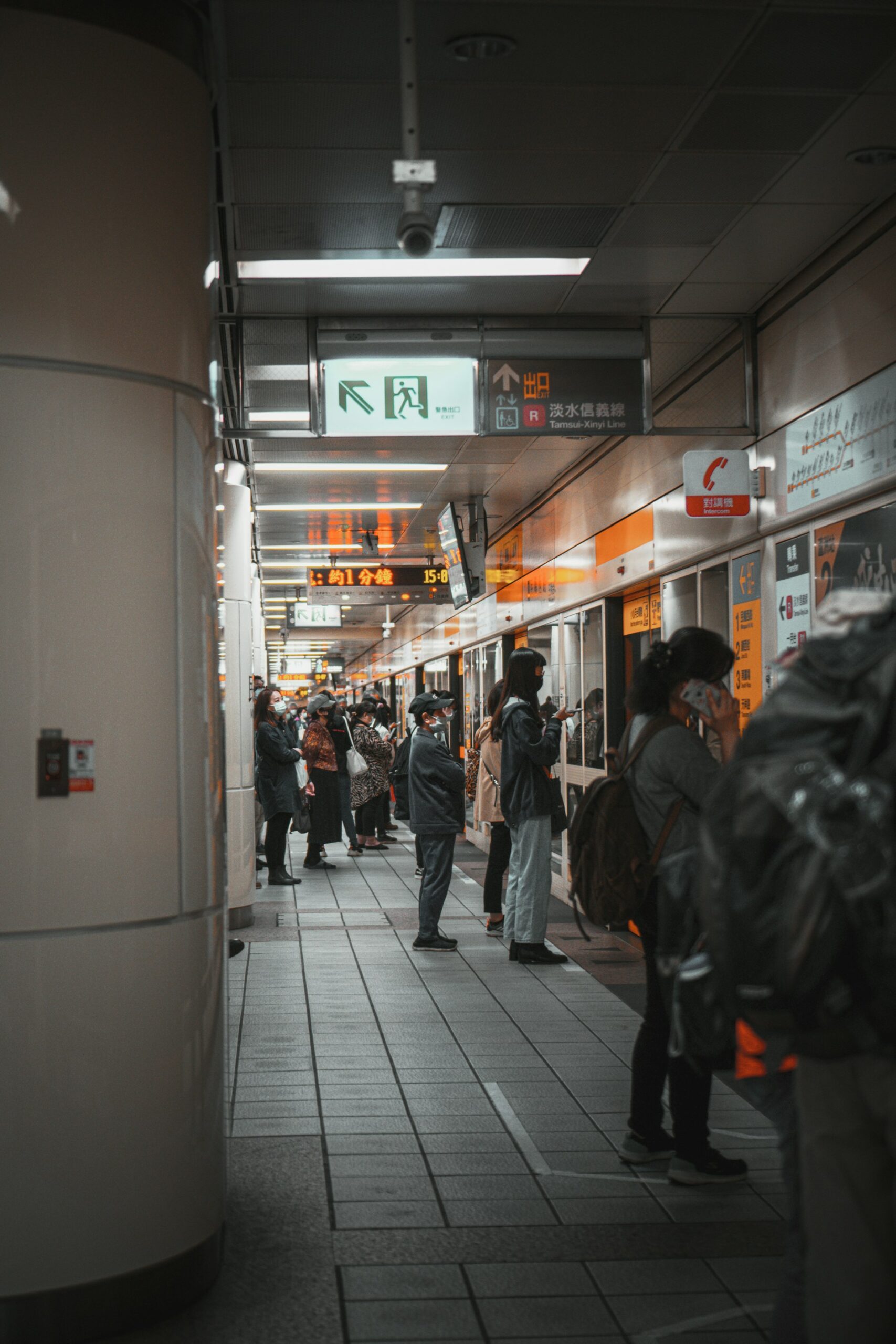
Taiwan’s public transportation (such as the MRT, buses, and trains) is generally kept quite clean, and passengers have developed several common riding habits:
Strict Ban on Eating Inside MRT Carriages: Taking the Taipei MRT as an example, once you pass the yellow line at the station gates, the law strictly prohibits eating, drinking, or chewing gum. This rule is thoroughly enforced, keeping the carriages neat and tidy almost all the time.
Flexibility and Cleanup on Long-Distance Trains: When taking the High-Speed Rail (THSR) or regular trains (TRA), eating bento boxes or snacks on board is allowed. The common practice is to take your empty boxes and trash with you when you get off and throw them in the platform trash cans, or hand them to the patrolling cleaning staff on the train.
Yielding Priority Seats and Volume Control: When riding a bus or the MRT, if the elderly or pregnant women board, proactively giving up priority seats is a very common display of kindness. In addition, when listening to music or watching videos in the carriage, most people naturally wear headphones to avoid broadcasting the sound and disturbing others.
Standing Habits on Escalators: On escalators in crowded MRT stations, most people naturally stand on the right side, leaving the left side open for those in a hurry (although the policy of standing on both sides has been promoted in recent years, this queuing consensus remains very common).
Briefly Shaking Off Water Before Entering Stations on Rainy Days: Before entering indoors or boarding a carriage on rainy days, most people will briefly shake the rainwater off their umbrellas outside, or use the umbrella sleeves and water removers provided at the entrance, to avoid making the floor slippery and causing danger.
IV. Subtle Hygiene Details in Dining Culture
When dining at restaurants, night markets, or small eateries, Taiwanese people often have unique dining habits that help create a more comfortable experience.
Serving Spoons and Chopsticks for Shared Meals: When family and friends gather to share dishes, it is customary to use communal chopsticks or spoons to take food from the plates, avoiding direct contact between personal utensils and shared dishes.
Wiping Utensils with Tissues Before Eating: After sitting down at a traditional eatery or street stall, many people make it a habit to pull a tissue and wipe down the provided reusable chopsticks, spoons, or the table surface once more, which is more of a personal habit for peace of mind.
Bringing Your Own Reusable Cups and Utensils: In response to environmental protection, many people carry reusable chopsticks or thermos cups with them. For example, when buying drinks at a chain beverage store, using your own reusable cup in Taiwan legally entitles you to a cash discount.
Self-Service Tray Return at Food Courts: After dining at a department store food court or fast-food restaurant, taking your own trays, bowls, chopsticks, and food waste to the designated return counter for sorting is a concluding action most people are accustomed to doing.
Subtle Dining Etiquette: If you need to pick your teeth during a meal, it is common to slightly cover your mouth with one hand; if you need to blow your nose, you should also try to turn your head away from the dining table or get up and go to the restroom to maintain a pleasant atmosphere at the table.
V. Tips for Maintaining Neighborhood Harmony
In residential neighborhoods and community life, paying attention to certain behaviors can make your living environment more harmonious:
Avoiding Making Noise Late at Night: Residential areas in Taiwan are quite densely populated. After ten o’clock at night, most residents avoid using washing machines, slamming doors, moving furniture, or making loud noises so as not to disturb their neighbors’ rest.
Strict Ban on Spitting Betel Nut Juice or Phlegm: This is an action that severely damages environmental hygiene. In Taiwan, it will not only easily draw sideways glances from others but also lead to enforcement actions and heavy fines by environmental protection authorities.
No Littering Cigarette Butts: Smokers usually choose designated outdoor smoking areas, and after smoking, they make sure to extinguish the cigarette butt and throw it in a trash can, absolutely avoiding littering.
Properly Handling Moisture in Food Waste: When dealing with food waste, most people try their best to drain the liquid so that the garbage bags will not break during transport or emit strong odors in the community.
Keeping Public Hallways Clear: When living in an apartment building, shoe cabinets, bicycles, or large miscellaneous items are usually stored indoors and never occupy hallways or stairwells. This is not only for the sake of a clean appearance but also complies with local fire safety concepts.
Mula sa Pagpapalit ng Tsinelas sa Pintuan Hanggang sa Paglalabas ng Basura sa Tugtog na “Für Elise”: Pang-araw-araw na Kalinisan at Etiketa sa Pamumuhay sa Taiwan
Para sa mga expat na bagong dating at naghahandang magsimula ng bagong buhay rito, ang pag-unawa sa mga lokal na gawi sa pamumuhay at pampublikong asal ay makakatulong upang maging mas maayos ang pang-araw-araw. Ang kapaligirang sosyal at pamumuhay ng Taiwan ay may sariling natatanging konteksto at mga hindi nakasulat na panuntunan. Ang mga gawi sa kalinisan at mga tip sa pamumuhay na pinagsama-sama sa ibaba ay hindi mahigpit na mga legal na regulasyon, kundi isang pamumuhay na hinubog ng karamihan sa mga lokal sa paglipas ng panahon. Inaasahan namin na magsilbi itong praktikal na sanggunian upang matulungan kang madaling makaangkop sa ritmo ng etiketa sa pamumuhay sa Taiwan.
I. Malayang Paglilinis at Pagpapanatili ng Kapaligiran sa Bahay
Ang klima ng Taiwan ay karaniwang mainit at mahalumigmig, kaya maraming gawi sa pang-araw-araw na pamumuhay sa bahay ay mga praktikal na karunungan na natural na nabuo upang harapin ang kahalumigmigan at alikabok.
Pag-alis ng Sapatos sa Pintuan at Pagpapalit sa Loob ng Bahay: Upang mapanatiling malinis ang mga sahig sa loob ng bahay, maraming pamilyang Taiwanese ang naglalagay ng “dust drop-off zone” (foyer) sa pasukan. Nakasanayan na ang pagpapalit ng malinis na panloob na tsinelas pagkapasok o paglalakad nang nakayapak sa sahig. Halimbawa, karamihan sa mga pamilya ay naghahanda rin ng mga espesyal na tsinelas para sa banyo upang maiwasan ang pagdadala ng halumigmig at pagkadulas pagkatapos maligo pabalik sa sala o silid-tulugan.
Pag-squeegee ng Banyo Pagkatapos Gamitin: Upang maiwasan ang itim na amag na madaling tumubo sa mga mahalumigmig na klima, marami ang may gawi na gumamit ng squeegee upang punasan ang mga patak ng tubig mula sa mga naka-tile na dingding at glass sliding doors pagkatapos maligo, upang panatilihing tuyo ang kapaligiran.
Paggamit ng Apoy, Mantika, at Range Hood Habang Nagluluto: Ang pang-araw-araw na pagluluto sa mga sambahayang Taiwanese ay madalas na kinabibilangan ng stir-frying o deep-frying sa mataas na init, na madaling lumikha ng usok. Samakatuwid, nakasanayan na ang sabay na pagbukas ng range hood kapag nagluluto, at karaniwang pinapaandar ito ng 3 hanggang 5 minuto pagkatapos patayin ang kalan upang ganap na mahigop ang natitirang usok at amoy. Ang pagpunas sa kalan gamit ang basang basahan habang may natitira pang init ay epektibong pumipigil sa pagtigas ng sebo at pagiging mahirap linisin.
Paggamit ng Dehumidifier at Air Purifier: Upang labanan ang kahalumigmigan sa loob ng bahay at dust mites, ang dehumidifier ay isang kailangang-kailangan na appliance para sa halos bawat sambahayan. Kapag ginagamit ito, karaniwang isinasara ng mga tao ang mga pinto at bintana at inilalagay ito sa gitna ng silid (kung may mga alagang hayop, iniiwasan na itakda ang halumigmig nang masyadong mababa). Samantala, maraming pamilya rin ang gumagamit ng air purifier upang salain ang mga pinong partikulo at alikabok na nalilikha ng pagluluto, na nagpapanatili ng kalidad ng hangin sa loob ng bahay.
Paghihiwalay at Pagpapatuyo ng mga Basahan na Panlinis: Sa paglilinis ng bahay, karamihan sa mga tao ay malinaw na pinaghihiwalay ang mga gamit ng kanilang mga basahan. Halimbawa, ang basahan na ginamit sa pagpunas ng kitchen counter ay hinding-hindi gagamitin sa pagpunas ng hapag-kainan o muwebles sa sala, upang maiwasan ang cross-contamination ng bacteria. Ang mga ginamit na basahan ay palaging nilalabhan, pinipiga nang maigi, at isinasampay sa isang maaliwalas na lugar upang maiwasan ang pagkakaroon ng kulob na amoy.
Mga Gawi sa Paglalaba at Pagpapatuyo: Dahil sa mainit at mahalumigmig na panahon, ang mga panloob na kasuotan at panlabas na damit ay karaniwang nilalabhan araw-araw at pinaghihiwalay habang nilalabhan. Ang mga damit ay palaging pinapatuyo nang maigi (spun dry) sa washing machine bago isampay sa balkonahe, upang maiwasan ang tumutulong tubig na maaaring makaabala sa mga kapitbahay sa ibaba.
II. Mga Lokal na Hindi Nakasulat na Panuntunan para sa mga Pampublikong Lugar at Paglalabas ng Basura
Paglalakad sa mga kalye o sa mga komunidad sa Taiwan, ang pagtatapon ng basura at kalusugang pampubliko ay sumusunod sa isang natatanging lohika ng operasyon. Ang pag-master sa ritmong ito ay maaaring gawing mas maginhawa ang buhay.
Ang Gawi na Dalhin ang Iyong Basura: Bihira ang mga pampublikong basurahan sa mga kalye ng Taiwan. Kung magkakaroon ka ng basura mula sa isang hand-shaken beverage o takeout food habang naglalakad, karaniwang dinadala ito hanggang makahanap ka ng recycling bin sa isang convenience store o dinadala pabalik sa bahay para itapon.
“Walang Basura sa Lupa” at Musical Chimes: Kapag naglalabas ng basura, karaniwang sinusunod ng mga residente sa komunidad ang iskedyul ng lokal na trak ng basura (lalabas lamang kapag narinig nila ang pamilyar na musical chimes tulad ng “Für Elise”). Kung mahuli ka sa oras, tandaan na huwag iwanan ang iyong mga garbage bags sa gilid ng kalsada o sa tabi ng mga poste ng kuryente para sa kaginhawaan.
Mga Itinalagang Garbage Bags at Paghihiwalay (Sorting): Sa ilang malalaking metropolitan areas (tulad ng Taipei at New Taipei), dapat kang gumamit ng mga itinalagang garbage bags na kinokontrol ng gobyerno upang itapon ang pangkalahatang basura. Kasabay nito, ang mga recyclables (tulad ng papel, plastik, at salamin) at food waste ay karaniwang nangangailangan ng simpleng paghihiwalay bago ibigay sa mga sanitation workers.
Proteksyon sa Kalusugang Pampubliko at Gawi sa Pagsusuot ng Mask: Kung nakakaranas ng mga sintomas sa paghinga tulad ng sipon o ubo, ang mga tao ay karaniwang may gawi na kusang magsuot ng mask kapag pumapasok sa mga pampublikong lugar o sumasakay sa pampublikong transportasyon. Ito ay nakikita bilang isang maalalahaning kilos upang protektahan ang sarili at igalang ang iba.
Paglilinis ng Sarili sa mga Convenience Store: Pagkatapos kumain sa seating area ng isang convenience store o supermarket, karaniwang inihihiwalay ng mga customer ang kanilang mga meal box at food waste sa mga basurahan ng tindahan at bahagyang pinupunasan ang mesa gamit ang tissue, na nag-iiwan ng malinis na espasyo para sa susunod na gagamit.
Karagdagang Babasahin (Mga Gabay sa Pagtatapon ng Basura):
How to Check Garbage Truck Schedule: A Simple Guide (Taipei City)
Taoyuan Garbage Truck Schedule & Disposal Guide: How to Check the Route
How to Dispose of Old Clothes: A Practical Guide to Used Clothing Recycling in Taiwan
III. Etiketa sa Espasyo sa Pampublikong Transportasyon
Ang pampublikong transportasyon ng Taiwan (tulad ng MRT, mga bus, at tren) ay karaniwang pinapanatiling napakalinis, at ang mga pasahero ay nakabuo ng ilang karaniwang gawi sa pagsakay:
Mahigpit na Pagbabawal sa Pagkain sa Loob ng mga MRT Carriages: Bilang halimbawa ang Taipei MRT, kapag lumagpas ka sa dilaw na linya sa mga gate ng istasyon, mahigpit na ipinagbabawal ng batas ang pagkain, pag-inom, o pagnguya ng chewing gum. Ang panuntunang ito ay mahigpit na ipinapatupad, kaya’t ang mga carriages ay nananatiling maayos at malinis sa halos lahat ng oras.
Kakayahang Umangkop at Paglilinis sa mga Long-Distance na Tren: Kapag sumasakay sa High-Speed Rail (THSR) o mga regular na tren (TRA), pinapayagan ang pagkain ng bento boxes o meryenda sa loob. Ang karaniwang gawain ay dalhin ang iyong mga walang laman na kahon at basura kapag bumaba ka at itapon sa mga basurahan sa platform, o ibigay ang mga ito sa mga nagpapatrulyang kawani sa paglilinis sa tren.
Pagbibigay ng Priority Seats at Pagkontrol sa Volume: Kapag sumasakay sa bus o MRT, kung may mga matatanda o buntis na sumakay, ang kusang pagbibigay ng priority seats ay isang napakakaraniwang pagpapakita ng kabaitan. Bilang karagdagan, kapag nakikinig ng musika o nanonood ng mga video sa carriage, karamihan sa mga tao ay natural na nagsusuot ng earphones upang maiwasan ang pag-broadcast ng tunog at makaabala sa iba.
Mga Gawi sa Pagtayo sa Escalators: Sa mga escalators sa mataong mga istasyon ng MRT, karamihan sa mga tao ay natural na nakatayo sa kanang bahagi, na iniiwang bukas ang kaliwang bahagi para sa mga nagmamadali (bagama’t ang patakaran na pagtayo sa magkabilang gilid ay isinulong nitong mga nakaraang taon, ang pagpila na ito ay nananatiling napakakaraniwan).
Bahagyang Pag-ipagpag ng Tubig Bago Pumasok sa mga Istasyon tuwing Maulan: Bago pumasok sa loob ng bahay o sumakay sa carriage sa mga maulan na araw, karamihan sa mga tao ay bahagyang ipapagpag ang tubig-ulan mula sa kanilang mga payong sa labas, o gagamitin ang mga umbrella sleeves at water removers na ibinigay sa pasukan, upang maiwasan ang pagkabasa ng sahig at magdulot ng panganib.
IV. Maliliit na Detalye sa Kalinisan sa Kultura ng Pagkain
Kapag kumakain sa mga restawran, night market, o maliliit na kainan, ang mga Taiwanese ay madalas na may natatanging gawi sa pagkain na tumutulong na lumikha ng mas komportableng karanasan.
Serving Spoons at Chopsticks para sa Ibinabahaging Pagkain: Kapag nagtitipon ang pamilya at mga kaibigan upang magbahagi ng mga ulam, kaugalian na ang paggamit ng mga communal chopsticks o kutsara upang kumuha ng pagkain mula sa mga pinggan, na iniiwasan ang direktang kontak sa pagitan ng mga personal na kubyertos at ibinabahaging ulam.
Pagpunas sa mga Utensil gamit ang Tissue Bago Kumain: Pagkatapos umupo sa isang tradisyonal na kainan o street stall, ginagawa na ng maraming tao na kumuha ng tissue at punasan ang ibinigay na reusable chopsticks, kutsara, o ang ibabaw ng mesa nang isa pang beses, na higit pa sa isang personal na gawi para sa ikapanatag ng isip.
Pagdadala ng Sariling Reusable Cups at Utensils: Bilang tugon sa pangangalaga sa kapaligiran, maraming tao ang nagdadala ng reusable chopsticks o thermos cups kasama nila. Halimbawa, kapag bumibili ng inumin sa isang chain beverage store, ang paggamit ng iyong sariling reusable cup sa Taiwan ay legal na nagbibigay sa iyo ng karapatan sa isang cash discount.
Self-Service Tray Return sa mga Food Court: Pagkatapos kumain sa isang department store food court o fast-food restaurant, ang pagdadala ng iyong sariling mga tray, mangkok, chopstick, at food waste sa itinalagang return counter para paghiwalayin ay isang panghuling aksyon na nakasanayan nang gawin ng karamihan sa mga tao.
Maliliit na Etiketa sa Pagkain: Kung kailangan mong manungkit ng ngipin habang kumakain, karaniwan na ang bahagyang pagtakip sa iyong bibig gamit ang isang kamay; kung kailangan mong suminga, dapat mo ring subukang ilayo ang iyong ulo mula sa hapag-kainan o tumayo at pumunta sa palikuran upang mapanatili ang isang magandang atmospera sa mesa.
V. Mga Tip para Mapangalagaan ang Pagkakaisa sa Kapitbahayan
Sa mga residential neighborhood at buhay komunidad, ang pagbibigay-pansin sa ilang partikular na pag-uugali ay maaaring gawing mas maayos ang iyong kapaligiran:
Pag-iwas sa Paggawa ng Ingay sa Gabi: Ang mga residential area sa Taiwan ay medyo siksikan ang populasyon. Pagkalipas ng alas-diyes ng gabi, iniiwasan ng karamihan sa mga residente ang paggamit ng washing machine, pagbalibag ng pinto, paglipat ng mga muwebles, o paggawa ng malalakas na ingay upang hindi maabala ang pahinga ng kanilang mga kapitbahay.
Mahigpit na Pagbabawal sa Pagluha ng Katas ng Nganga (Betel Nut Juice) o Plema: Ito ay isang aksyon na lubhang nakakasira sa kalinisan ng kapaligiran. Sa Taiwan, hindi lamang ito madaling kukuha ng masasamang tingin mula sa iba kundi hahantong din sa mga pagkilos ng pagpapatupad at mabibigat na multa mula sa mga awtoridad sa pangangalaga sa kapaligiran.
Walang Pagtatapon ng Upod ng Sigarilyo: Ang mga naninigarilyo ay karaniwang pumipili ng mga itinalagang outdoor smoking area, at pagkatapos manigarilyo, sinisiguro nilang patayin ang upod ng sigarilyo at itapon ito sa basurahan, na lubos na iniiwasan ang pagkakalat.
Wastong Paghawak ng Moisture sa Food Waste: Kapag inaasikaso ang food waste, sinusubukan ng karamihan na patuyuin ang likido hangga’t maaari upang hindi masira ang mga garbage bag habang inililipat o maglabas ng matapang na amoy sa komunidad.
Pagpapanatiling Maaliwalas ang mga Pampublikong Hallway: Kapag nakatira sa isang apartment building, ang mga lalagyan ng sapatos, bisikleta, o malalaking sari-saring gamit ay karaniwang itinatago sa loob ng bahay at hindi kailanman sinasakop ang mga hallway o hagdanan. Ito ay hindi lamang para sa isang malinis na hitsura kundi sumusunod din sa mga lokal na konsepto ng kaligtasan sa sunog.